
Is Tomato Paste 100% Tomato?
Many people have a question when buying or producing tomato paste: Is tomato paste 100% tomato?
The answer is: Not necessarily.
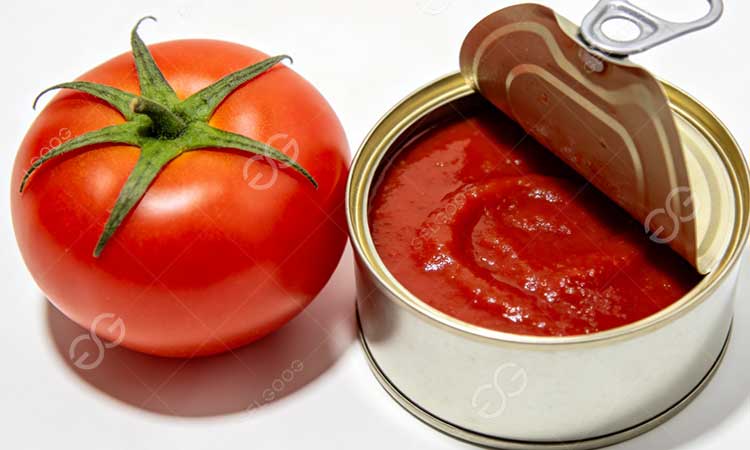
Tomato paste can be a concentrated tomato product made entirely from tomatoes, though specific formulations vary depending on the product type, manufacturer, and food regulations in the sales market. Some varieties are made solely from tomatoes, with water removed through concentration to increase the tomato solids content. However, certain commercial products may include added salt, citric acid, or other permitted ingredients. Therefore, the most direct way to determine whether a tomato paste consists of 100% tomatoes is to check the product's ingredient list.
What is tomato paste?
The defining characteristics of tomato paste are its high concentration of tomato solids and its rich tomato flavor. During production, fresh tomatoes undergo washing, sorting, crushing, pulping, and concentration; the removal of a significant amount of water results in a product with a much thicker consistency.
For food processing companies, tomato paste serves not only as a direct ingredient but also as a base for producing ketchup, tomato-based sauces, canned foods, and other products.
How is 100% tomato paste produced?
When the target product is 100% tomato paste, the primary raw material is fresh tomatoes. A typical production process generally involves the following key stages:
1. Tomato Washing and Sorting
Upon entering the tomato paste production line, fresh tomatoes are first washed to remove soil, dust, and surface impurities.
They are then sorted to remove tomatoes that are rotten, severely damaged, or otherwise fail to meet production standards.
2. Tomato Crushing
After washing and sorting, the tomatoes are crushed to break down their tissue and release the internal juice and pulp.
Crushing the tomatoes facilitates the subsequent stages of heating, pulping, and concentration.
3. Pulping and Separation
After crushing, the tomatoes typically pass through pulping equipment to separate the pulp and juice from components such as skins and seeds.
Depending on product specifications and production processes, manufacturers may employ various pulping methods to obtain tomato pulp suitable for subsequent concentration.
4. Heating and Concentration
This is a critical step in tomato paste production.
Tomato pulp contains a high water content; therefore, heating and concentration are required to remove excess water and increase the concentration of tomato solids.
In industrial production, appropriate concentration equipment is selected based on product requirements. Temperature and processing time must be controlled during concentration to preserve the tomato's original color, flavor, and quality as much as possible.
5. Sterilization
The concentrated tomato paste undergoes appropriate heat treatment or other sterilization processes—compliant with product specifications—to minimize microbial risks and enhance storage stability.
Specific sterilization temperatures, durations, and process parameters are determined based on the product formula, packaging method, and local food safety regulations.
6. Packaging
Once processed, the tomato paste can be packaged in various formats—such as cans, pouches, drums, or large industrial containers—to suit sales channels and customer needs.
For food processing plants, packaging specifications are typically designed by considering product positioning, transportation methods, and the requirements of end customers.
Can other ingredients be added to tomato paste?
Yes, but this depends on the specific product and applicable food regulations.
Some tomato pastes have very simple ingredient lists, consisting primarily—or even exclusively—of tomatoes. Such products may highlight features like "100% tomato."
However, in commercial production, manufacturers may add other ingredients based on their specific formulas, such as:
* Salt
* Citric acid
* Other permitted food ingredients
These ingredients may be used to adjust flavor, acidity, or stability, or to meet specific product standards.
Therefore, one cannot assume that a product labeled "Tomato Paste" is necessarily 100% tomato.