
What Is The Process of Tomato Paste Production?
Tomato paste is a widely used condiment found in many foods such as french fries, hamburgers, pizza, and pasta. Its production relies on mature processing techniques and specialized equipment, ensuring consistent taste while also prioritizing food safety. So what is the process of tomato paste production? Tomato paste production begins with fresh tomatoes, which undergo a series of standardized processing steps to ultimately produce a smooth, consistently flavored finished product. The following are the main production steps.
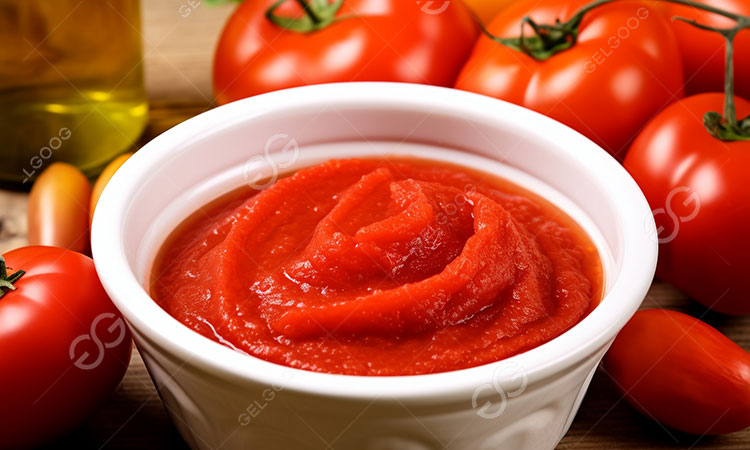
1. Selection and Cleaning of Fresh Tomatoes
First, select high-quality tomatoes and wash them thoroughly. Tomatoes that are bright red and fully ripe will produce a more flavourful tomato paste.
2. Crushing and Pre-treatment
The washed tomatoes are conveyed to the crushing process, where they are broken into small pieces and then subjected to a short pre-heating treatment to soften the pulp and improve juice extraction efficiency.
3. Pulping and Peeling/Seed Removal
The pulping machine employs a sieve and rotor to separate tomato pulp from skin and seeds, thereby producing a smooth tomato puree.
4. Cooking and Blending
The tomato paste is heated and concentrated in a jacketed kettle to evaporate the water. Depending on the recipe requirements of different tomato sauce products, appropriate amounts of salt, sugar, vinegar, or spices are usually added during the cooking process. The entire cooking process requires continuous stirring and precise control of temperature and time.
5. Filling and Sealing
After cooking, the tomato paste is transferred to the filling process while still at a high temperature. The tomato paste can be packaged in glass bottles, plastic bottles, flexible pouches, or tin cans.
6. Sterilization and Cooling
To extend the shelf life of tomato paste, the finished bottled tomato paste must undergo sterilisation.
It's important to note that different types of tomato paste have different processing methods. For example:
High-concentration tomato paste: Requires longer cooking and concentration times, and demands more sophisticated evaporation equipment.
Seasoned tomato paste (such as tomato sauce): The proportion of spices and sugar in the recipe varies, making the blending process more critical.
If you would like to learn more about the specific tomato paste processing procedures, or are interested in tomato paste production equipment, please feel free to contact us. We can provide more suitable solutions based on your product positioning.