
Tomato Paste Production Steps in Factory
Tomato paste is a product made primarily from fresh tomatoes through a series of processing steps. It is widely used in food processing, the food service industry, and home cooking. In modern tomato processing plants, the production of tomato paste has become highly automated; this not only enhances production efficiency but also largely ensures the hygienic safety and consistent quality of the product.
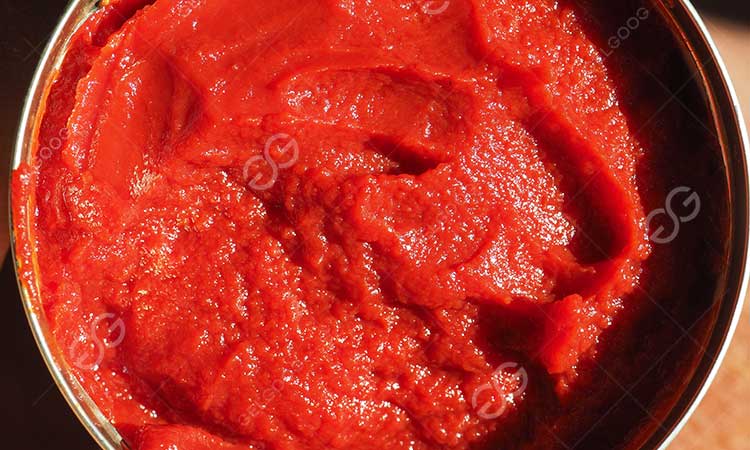
The core of tomato paste production lies in the transformation process from fresh tomatoes into a high-concentration paste; this process necessitates rigorous process control and equipment coordination, typically comprising steps such as washing, crushing, pulping, concentration, sterilization, and aseptic filling.
The first step is the washing stage. Upon entering the factory, fresh tomatoes undergo an initial sorting and washing process to remove soil, stems, leaves, and substandard tomatoes. Washing serves as the foundation for ensuring the safety of the final product.
The second step is the crushing stage. The washed tomatoes are conveyed into a crusher, where they are rapidly cut into small pieces to facilitate subsequent processing. During this crushing process, both speed and force must be carefully controlled to prevent excessive shearing, which could lead to the excessive oxidation of nutrients.
The third step is the pulping stage. The crushed tomatoes enter a pulping machine, where a sieve separates the skins, seeds, and coarse fibers, retaining the fine tomato pulp. This stage determines the smoothness of the tomato paste; therefore, the selection of the sieve mesh size is critical, as different specifications influence the texture and intended application of the final product.
The fourth step is the concentration stage, which constitutes one of the core processes in tomato paste production. The tomato pulp undergoes heating and evaporation within vacuum concentration equipment to remove excess moisture under low-temperature conditions, thereby increasing its soluble solids content (Brix value). Vacuum concentration not only enhances efficiency but also preserves the natural color and flavor of the tomatoes. By varying the degree of concentration, tomato paste products of different concentrations can be produced.
The fifth step is the sterilization stage. The concentrated tomato paste must undergo high-temperature, short-time sterilization to eliminate any potentially present microorganisms and extend the product's shelf life. This process requires strict control over both temperature and duration to ensure effective sterilization while simultaneously preventing any adverse effects on the tomato paste's color and flavor stability.
The sixth step is the aseptic filling stage. Following sterilization, the tomato paste is filled into aseptic bags or drums within a sterile environment; common specifications include large-format 220-liter aseptic bags, intended for use by downstream food processing enterprises. The entire filling process must be conducted within an aseptic isolation system to prevent secondary contamination.
During the production of tomato paste, several key issues require particular attention.
First is raw material quality control: the ripeness, sugar-to-acid ratio, and freshness of the tomatoes directly influence the flavor and color of the final product; therefore, the selection of raw materials is of paramount importance.
Second is hygiene and contamination control: from washing to bottling, every stage must adhere to food-grade sanitary standards, and equipment requires regular CIP (Clean-in-Place) cleaning.
Third is temperature control: whether during the concentration or sterilization phases, temperatures that are either too high or too low will adversely affect the quality of the tomato paste.